Transitional endings can leave you unmoored. Even when everything seems fine on the surface, endings leave a mark.
One participant will receive a laptop as practical support for life after work. The computer is gifted in the spirit of support and does not influence participation, sharing, or outcomes within the session.
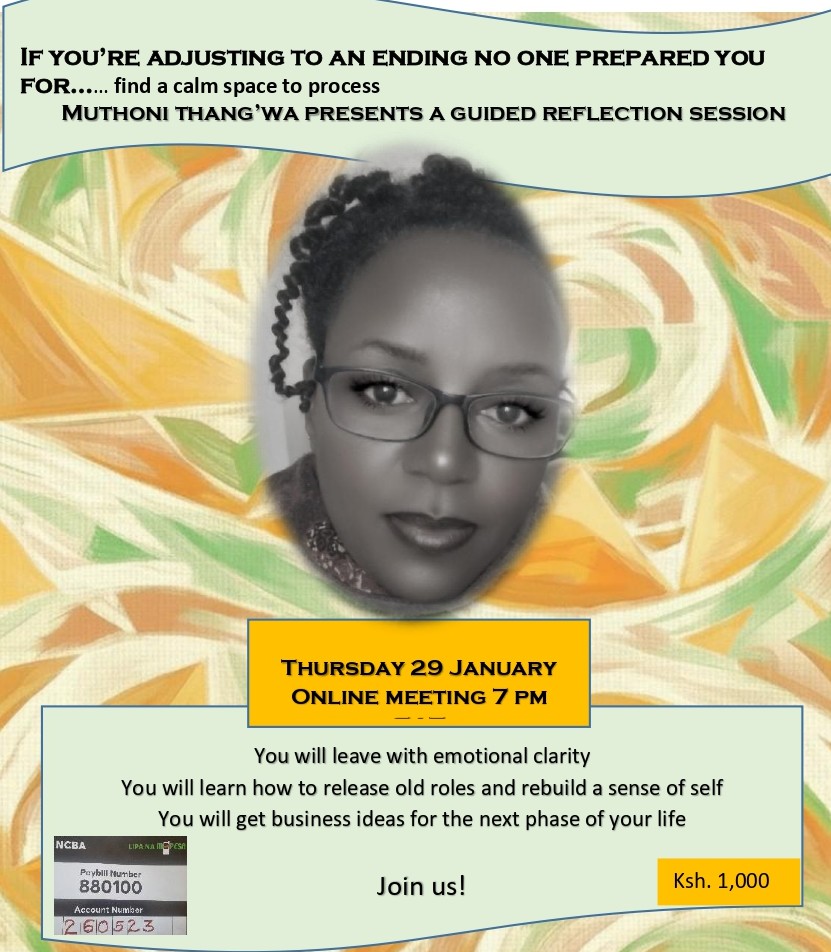
This session is for anyone navigating career or life transitions. My guided reflection sessions offer a grounded and safe space to acknowledge endings, explore your experiences, and steady yourself for what comes next. Unlike therapy, these sessions focus on reflection and accompaniment, offering the same emotional support at a fraction of the cost.
What it is really is without hype!
The end of a job, a career, or a long-held role can feel like a quiet kind of loss. You show up, function, even smile, but inside, everything has changed. That disorientation, that space, is a form of grief, and it’s real.
You don’t need to fix it. You don’t need to move on too quickly. You simply need a space to acknowledge it, sit with it, and steady yourself.
Your session coach?
My work is grounded in reflection, narrative, and accompaniment rather than therapy or intervention. I work primarily with anticipatory, ambiguous, and transitional grief; forms of loss that are often unrecognised, unnamed, or unsupported.
My approach is ethical and non-pathologising: I do not rush grief, impose meaning, or treat it as something to be fixed. Each person remains the authority on their own experience. I offer structured reflection spaces and guided conversations that help people live alongside grief without losing stability or dignity.
I am not a therapist or clinician, and I do not provide diagnosis or treatment. Where clinical support is required, I actively encourage referral to appropriate mental health professionals. My work is informed by lived experience, including long-term caregiving, but grounded in reflective practice rather than personal story alone.
Primary audience (who this is really for)
People experiencing life transitions that have ended something central:
- Job loss
- Retirement
- Career disruption
- Role loss
- Identity shift after long-term work
- “I should be grateful, but I’m not okay”
What grieving clients gain (individuals, groups, transitions)
- Before my sessions:
– Disorientation
– Unnamed grief
– Guilt for “not coping properly”
– Pressure to move on or stay productive
After attending reflection sessions, clients gain:
- Language for their loss
Especially for anticipatory, ambiguous, and transitional grief — the kind society struggles to recognise. - Stability without denial
Tools to remain functional without suppressing grief or being consumed by it. - Permission to pause
A rare space where grief is neither pathologised nor rushed. - A re-anchored sense of self
Particularly after role loss (career, caregiving, identity shifts), where grief is about who you were as much as what you lost.
In short: I help people live alongside major life changes without losing coherence, dignity, or direction.
 Muthoni Thangwa